L.V.K. Knows Exactly How Bad She Wants It
Inside an industrial Stoke Newington basement, independent artist L.V.K. turned the release of her new EP into something much bigger than a listening party.
TEXT

There is something quite magical about watching an independent musician perform beneath a room full of records. Upstairs at Next Door Records Two in Stoke Newington, music sits neatly sleeved, alphabetised and priced; downstairs, on August 6th, it felt far less fixed. L.V.K. was launching how bad do you want it?, a record barely a day old, into a basement that made everything sound dreamier, stranger and slightly removed from the world above.
The basement was industrial and crowded with people pulled together by L.V.K., who had organised the entire release party independently. Upstairs was the finished product. Downstairs, you could still feel all the fingerprints on it. By the time L.V.K. appeared, the room had already been warmed by a run of opening artists and had acquired that particular basement humidity produced by London in August – alcohol and several dozen people collectively deciding they don’t mind being slightly uncomfortable if the music is good enough. And, lucky for us, it was.
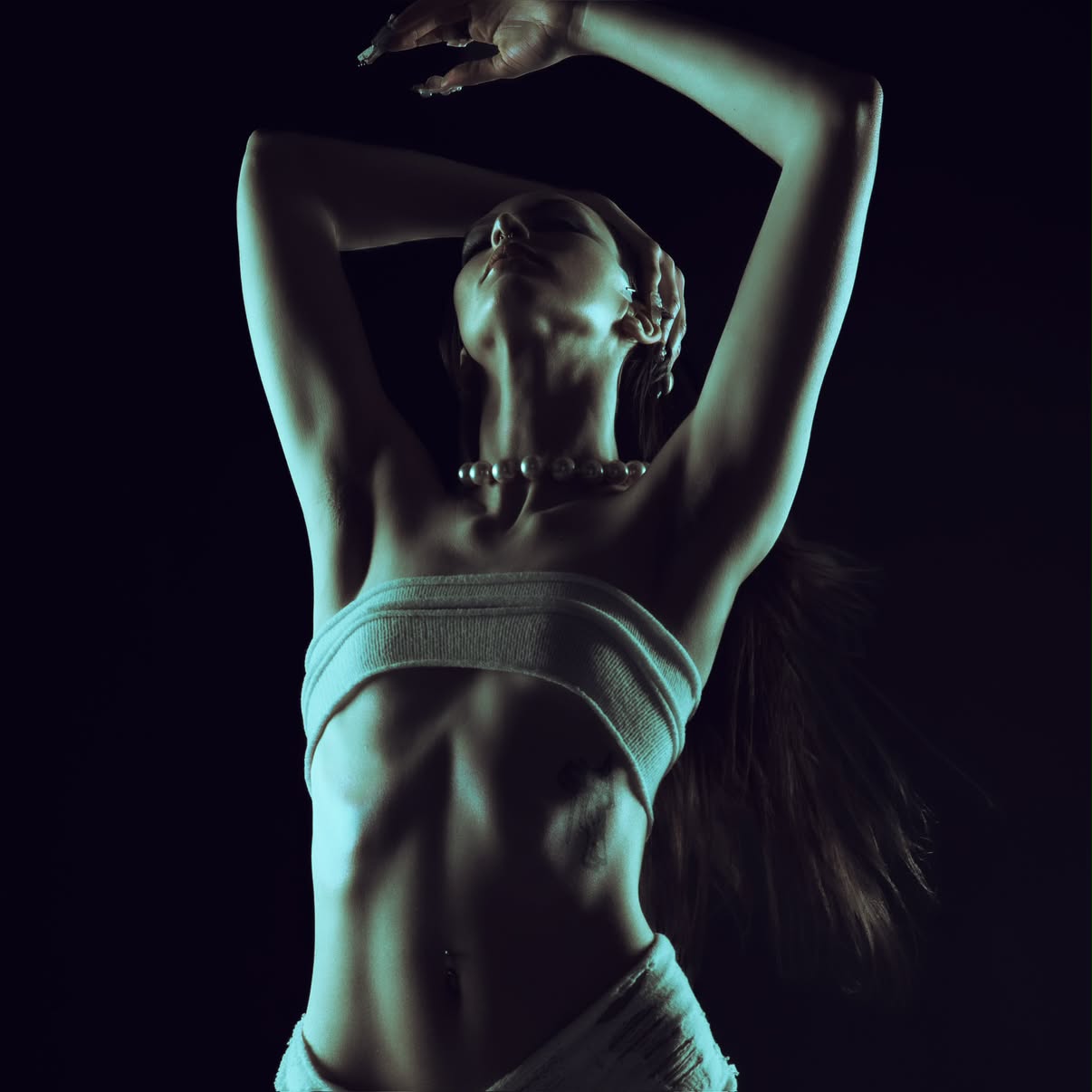
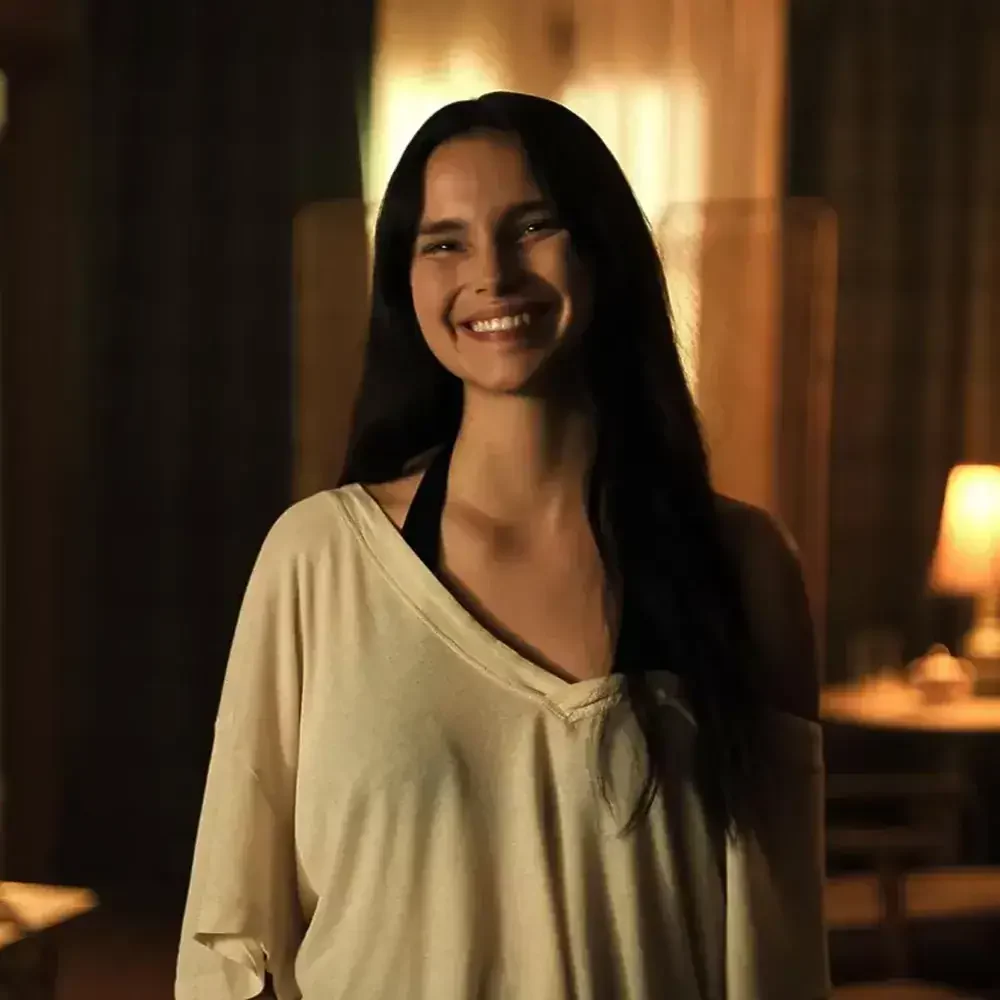
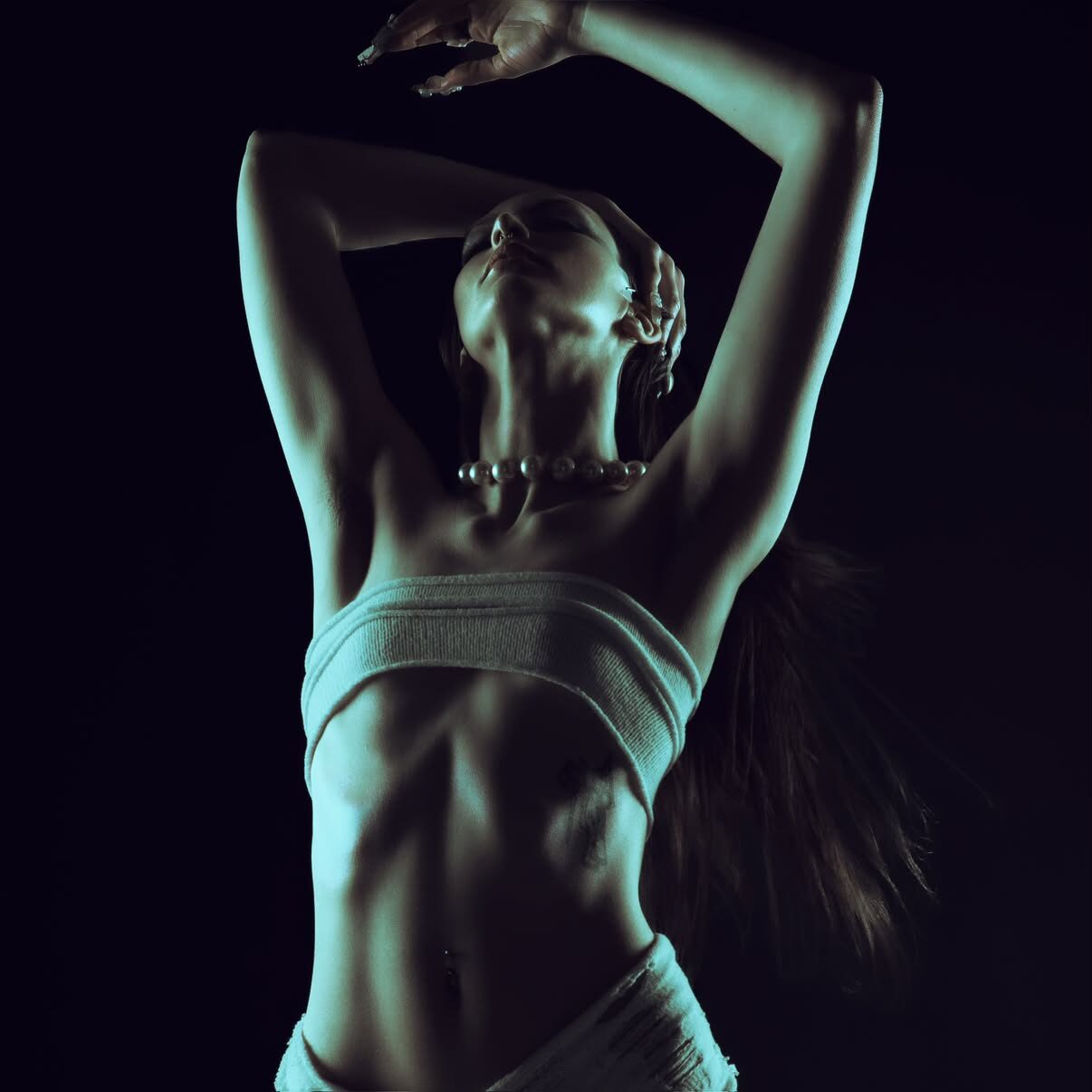
Cover photo by Zixuan Zhang (@sven.zzx)
L.V.K.’s new EP, how bad do you want it?, which had arrived the previous day was ready to submerge us in its world. The title reads almost confrontationally in isolation, like something a personal trainer you resent would shout, but it gained another meaning in the room. There was no sense of arriving to watch an artist slot neatly into somebody else’s showcase.
There was history underneath the new material too. L.V.K.’s releases stretch back through PETALS and I WEAR YOU IN MY HAIR in 2024, followed by INEVITABLE DESTINY in 2025 and HEADLIGHTS at the beginning of this year. More recently, BRUISE, a collaboration with Marian, arrived in June with an accompanying “afters version”. It is a small catalogue, but she’s carved a distinctive sound in the dark pop landscape.
L.V.K.’s music is dreamy without being weightless. There is a sweet and otherworldly softness to it. Impressively enough, the songs seemed to expand inside the basement despite this. It is one thing to hear music like this through headphones, where atmosphere can be pumped directly between your ears; it is another to hear it fill a concrete room and feel it temporarily convince you that the room is as beautiful and ethereal as the soundscape. That was perhaps my favourite contradiction of the evening; nothing about the basement should have been particularly dreamy. Rather than fighting the space, L.V.K.’s music transformed it and transported us. Light caught on faces and pipes overhead, parts of the crowd disappeared into shadow around the edges of the room, and for stretches of the set, it became remarkably easy to forget there was a record shop and Stoke Newington Road sitting directly above our heads.
Since L.V.K. has curated the night herself, the gig felt less like the conventional stop-start machinery of a release campaign and more like being invited into the physical version of her ethereal universe for a few hours.
That distinction matters, particularly now. Independent musicians are regularly described as though independence were primarily an aesthetic position; something signified by lowercase song titles, grainy photographs and having fewer monthly listeners than your friends think you deserve. The reality is considerably less romantic. Independence frequently means becoming your own promoter, producer, booking agent, social-media manager, visual director and person sending the awkward follow-up email and DM, sometimes before going onstage and behaving as though none of that has occupied the previous three months of your life. Watching L.V.K. perform made that invisible labour unusually easy to ignore despite the evidence of it standing all around her.
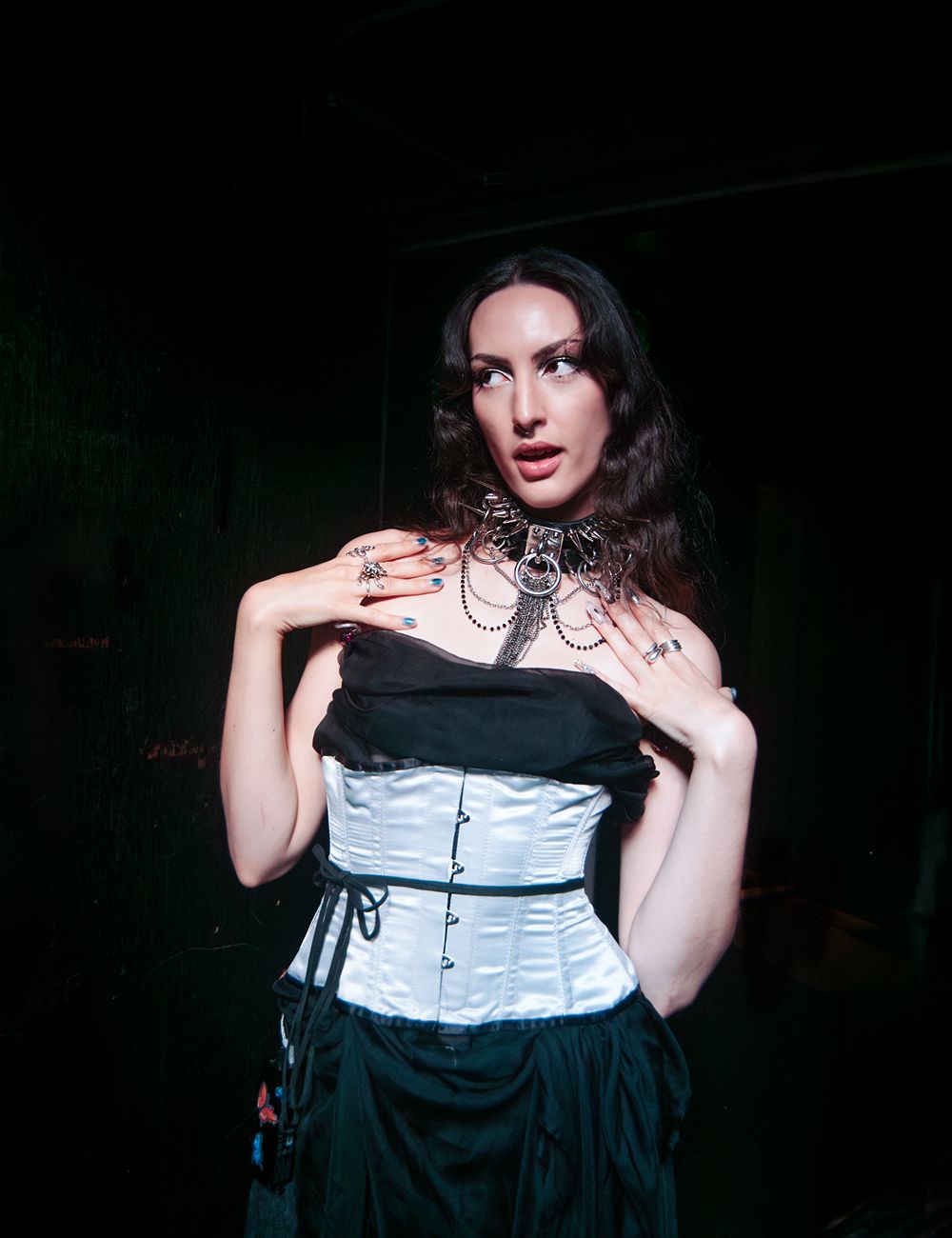
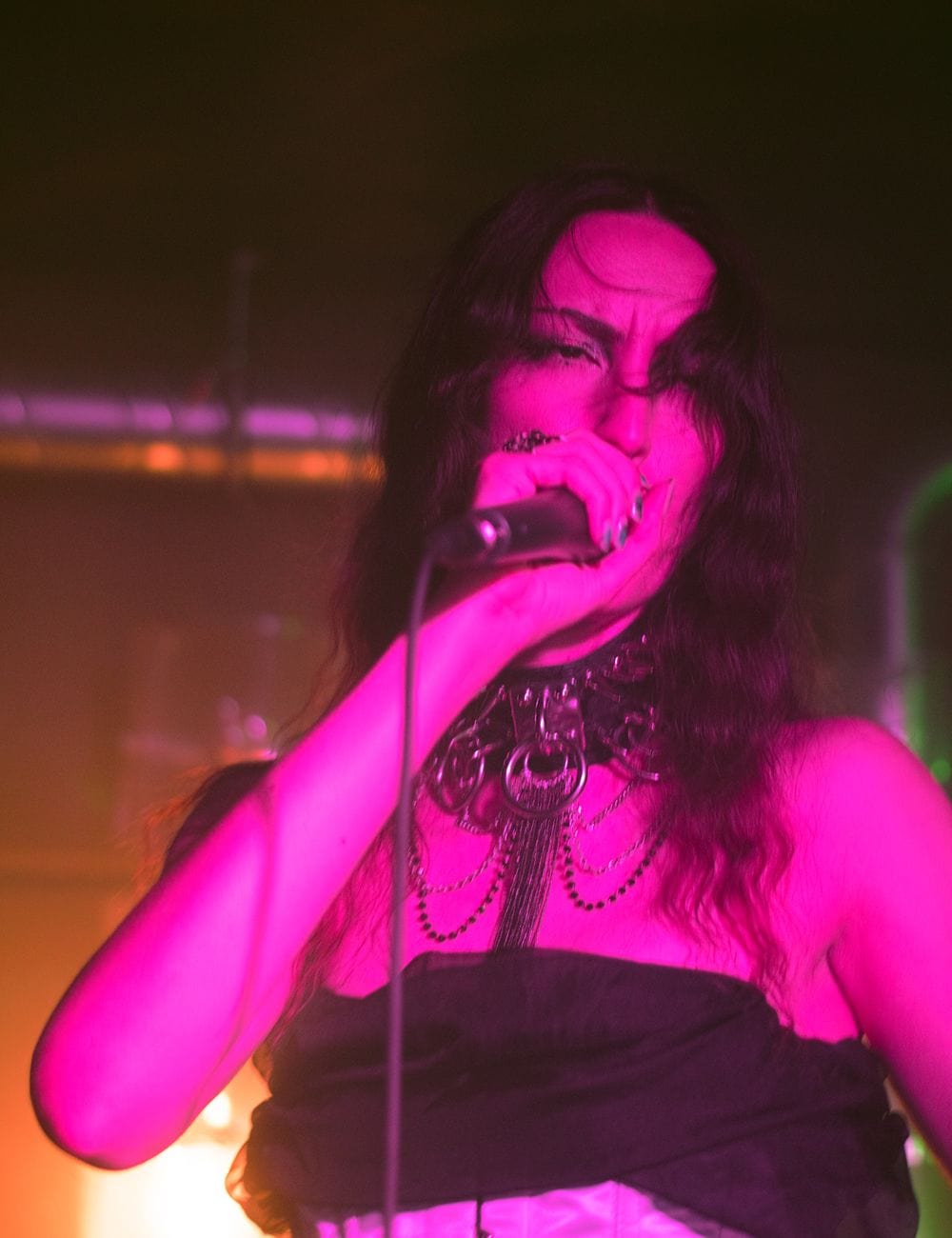
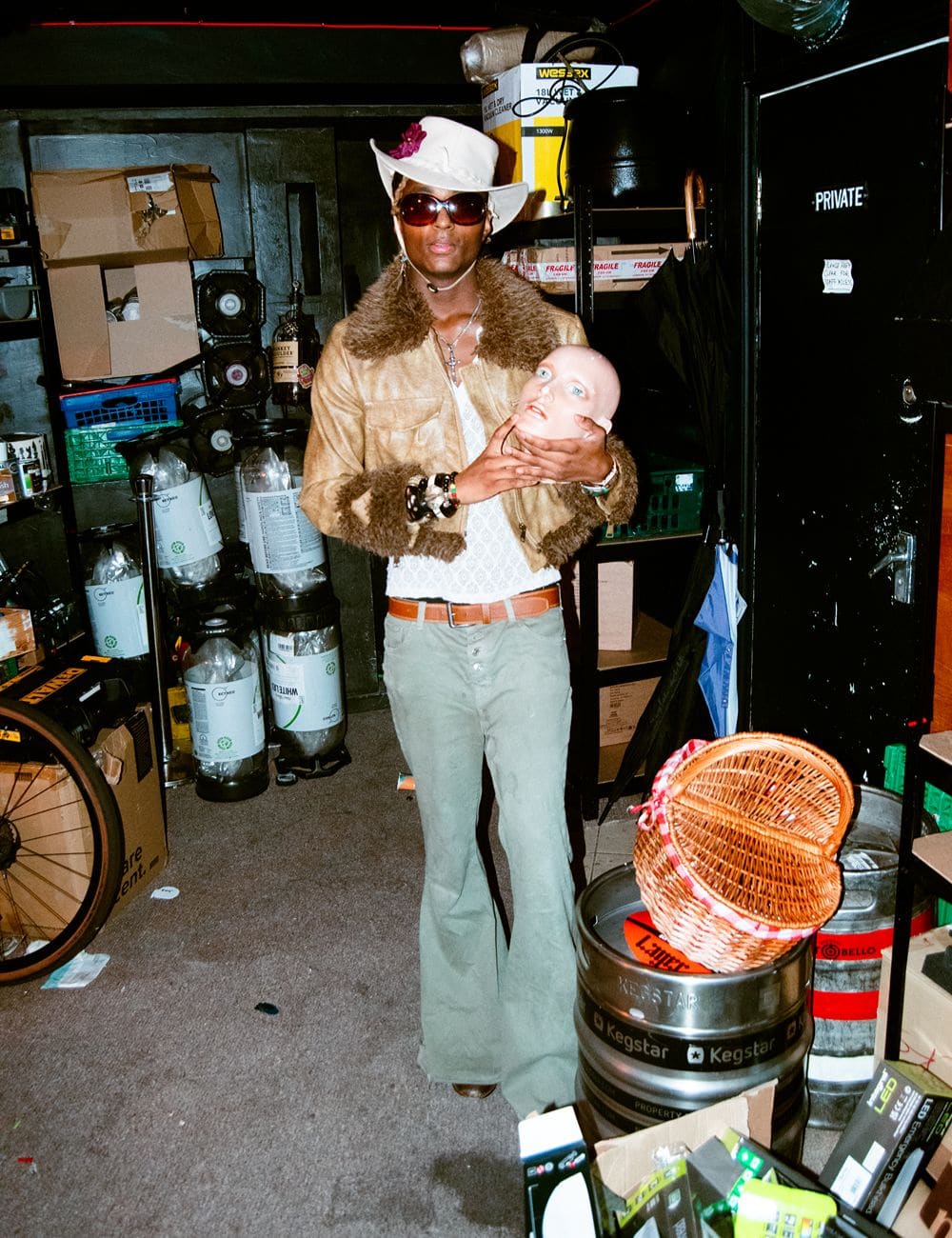
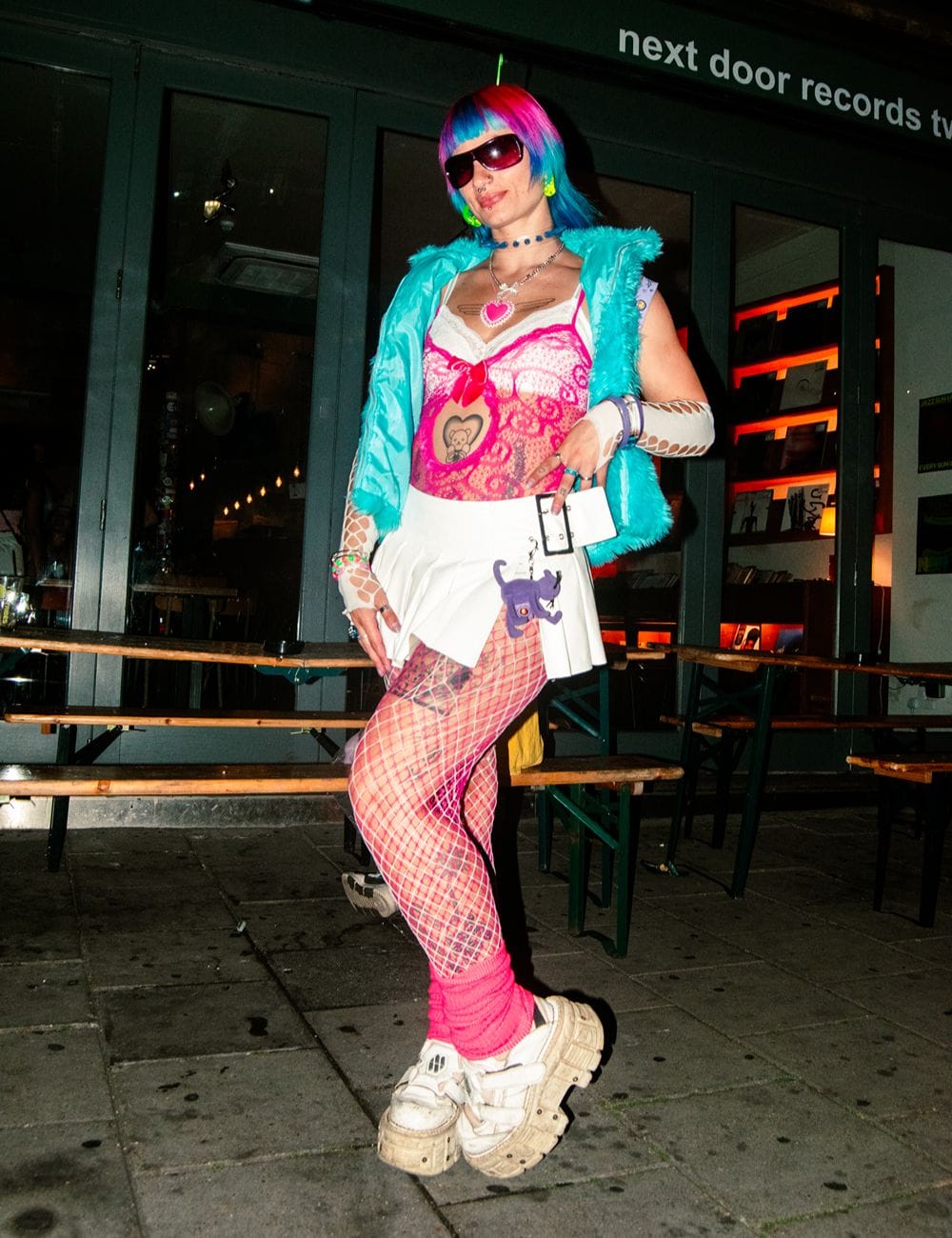
Photos by Lydia Payne (@lydiaxrose_)
The night was high energy from the start. The openers were great, the crowd was cool without feeling self-conscious, and the basement stayed busy and loud in a way that made the whole thing feel more like a proper party than a standard release show. By the time L.V.K. came on, everyone was already fully in it.
I WEAR YOU IN MY HAIR remains a particularly good example. Even before hearing a note, the title gives you an image that is affectionate and slightly haunting, another person becoming something physically carried around with you. PETALS does something similarly delicate. INEVITABLE DESTINY goes in the opposite direction, enormous and melodramatic by comparison. Taken together, the titles reveal an artist attracted to emotion at the point where it becomes physical: something worn, bruised, plucked, illuminated. how bad do you want it? makes sense as the next question. Live, that emotional vocabulary became much less fragile.
One of the pleasures of seeing an artist at this stage is that the audience hasn’t yet been trained into exactly how it is supposed to behave. At an enormous pop concert, spontaneity can become surprisingly choreographed: everybody knows when the bridge is coming, which lyric gets screamed, when to lift a phone, where the TikTok moment lives. Here, reactions still felt like reactions. People discovered things in real time. There were moments of complete attention followed by sudden movement, people exchanging looks when something landed, the crowd figuring the songs out alongside the person performing them. It made the new EP feel genuinely new and exciting.
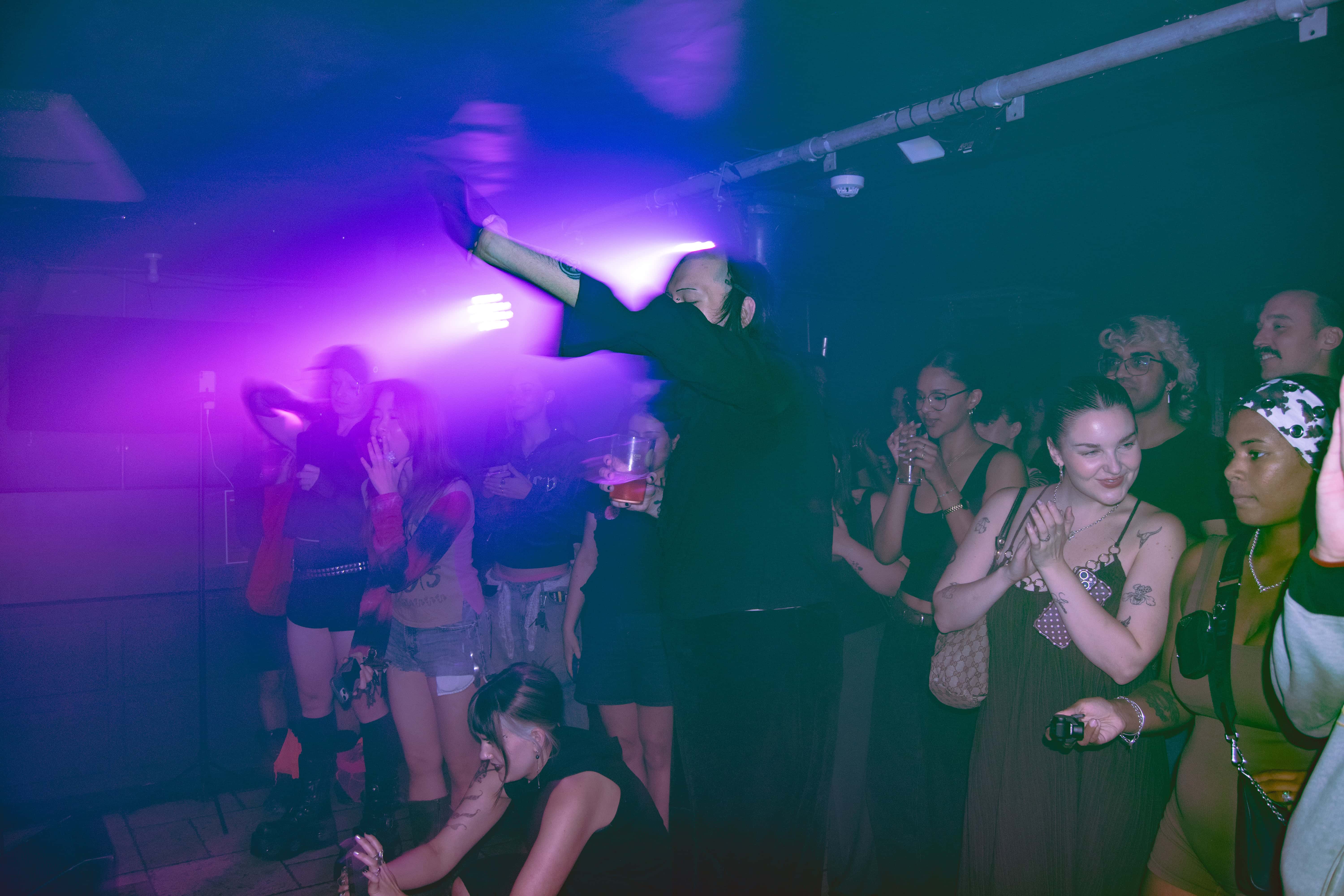
Because how bad do you want it? had only been released the day before, it still felt fresh enough to change shape in the room. The songs were louder, warmer and less delicate than they are on record, with L.V.K.’s voice cutting cleanly through the basement and the crowd packed close enough to feel every shift in pace. The dreaminess was still there, but live it had weight to it.
L.V.K. seemed completely at ease inside the looseness of it. Dreamy music can sometimes flatten itself live, all atmosphere and no friction, but here the opposite happened: her voice kept finding its way through the haze, close and surprisingly solid, while the room seemed to tighten around her whenever a song shifted. You could feel the audience leaning in. The softness was still there, but it had a body now.
That suited L.V.K.’s music particularly well. In the basement, the songs felt warmer somehow, the low end moving through the floor while everything above it seemed to blur at the edges. HEADLIGHTS seemed to stretch the room out around it; for a few minutes, the basement felt almost unreal, swallowed by the song before slowly coming back into focus when it ended.
But it hadn’t ended, DJs followed; most of the audience stayed. That decision made the event fall into place for me because it rejected one of the more tedious conventions of the small gig, where the headline artist finishes and everyone rushes to check Citymapper. L.V.K. had chosen the performers before her and the DJs after, so the set never felt dropped into an arbitrary bill. It had context around it. There is something intimate and exciting to learn about an artist choosing their own openers and DJs. A playlist tells you what somebody listens to; curating a whole night tells you how they want their music to sit alongside other people’s.
It also feels representative of a particularly exciting strain of London’s independent music culture right now. The infrastructure is often small: record shops with basements, rooms above pubs, venues you could walk past a hundred times without realising somebody is downstairs making the walls shake. The ambitions and artists who keep these places alive aren’t. The official listing for L.V.K.’s launch advertised a 6.30pm start and a £6.29 ticket, an almost comically modest price for an evening involving several performers, a headline set and DJs afterwards.
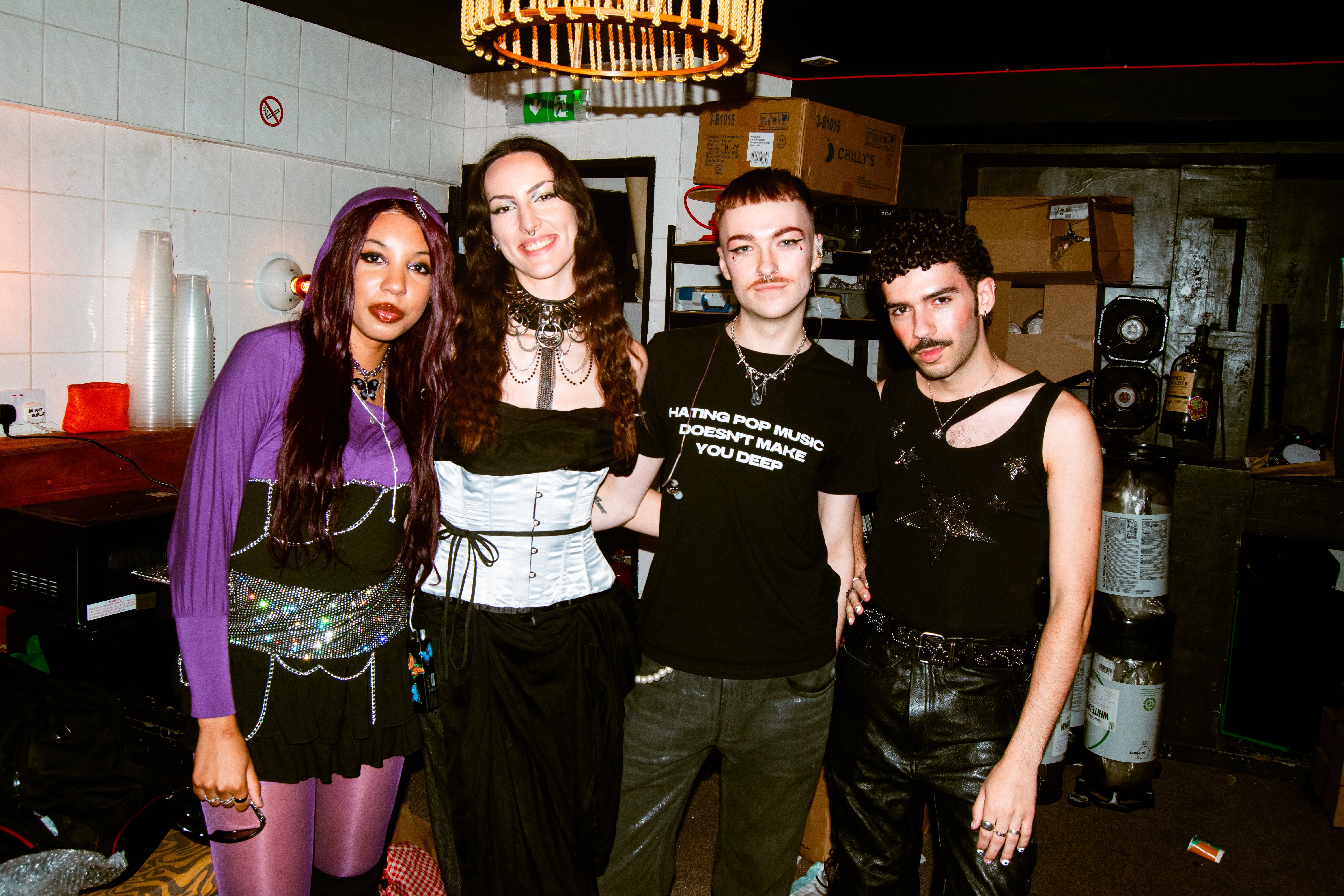
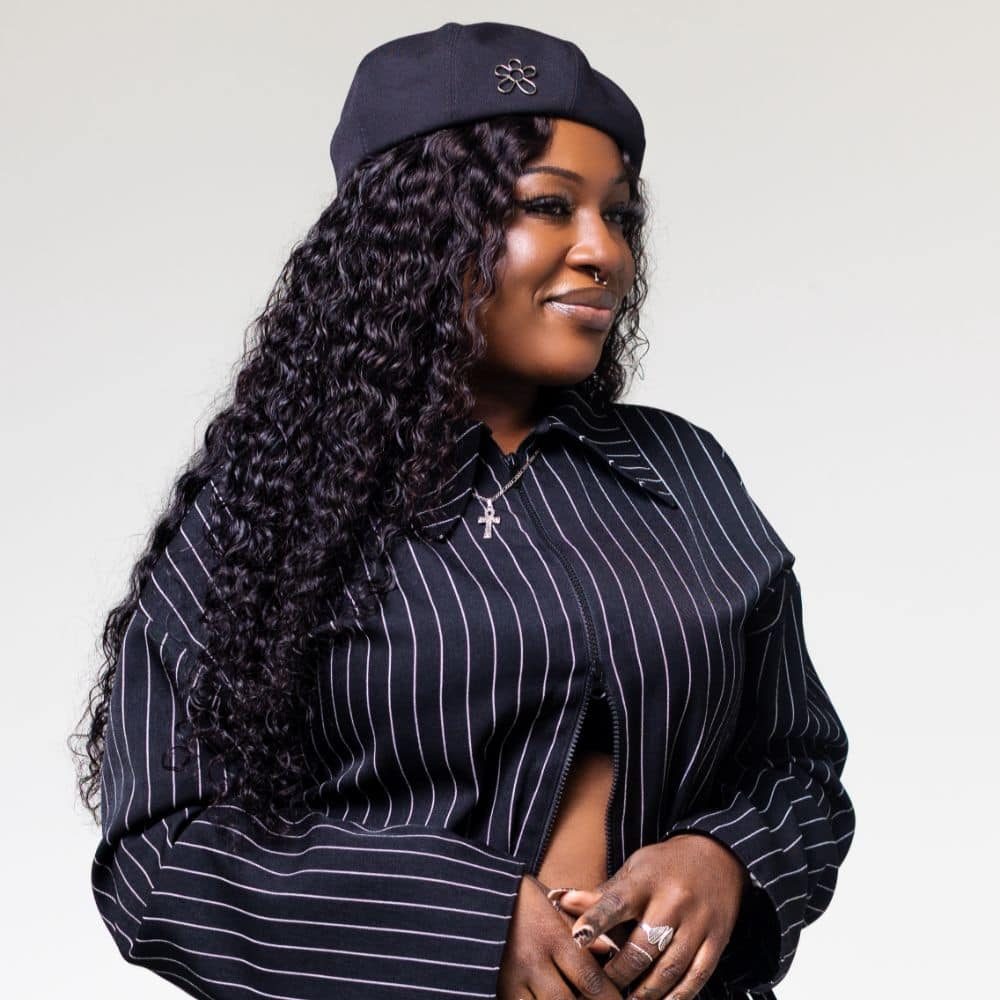
Aishek, L.V.K., Marian and Alex Born
And there is something else worth recognising in the title how bad do you want it? after seeing the work surrounding the record. We tend to hear that question as one about ambition, usually with an unpleasant implication that wanting something badly enough will eventually make the universe surrender it. Independent music offers a less inspirational and much more convincing answer. Wanting it can look like emailing venues. Finding support acts. Making artwork. Promoting tickets. Organising DJs. Rehearsing. Releasing the actual music somewhere between all of the above, then walking into the room you assembled and being vulnerable enough to perform it.
That might have been the most impressive transformation of the night. Upstairs, the records remained neatly finished in their sleeves. Downstairs was all the mess required to eventually make one: people, cables, sweat, friends, strangers, noise and L.V.K. standing in the centre of something she had made almost entirely herself.
How bad do you want it? Enough, apparently, to build the room yourself.
Check out L.V.K‘s newest EP how bad do you want it? here on Spotify. Alternatively, you can find the EP on Apple Music here.
There is something quite magical about watching an independent musician perform beneath a room full of records. Upstairs at Next Door Records Two in Stoke Newington, music sits neatly sleeved, alphabetised and priced; downstairs, on August 6th, it felt far less fixed. L.V.K. was launching how bad do you want it?, a record barely a day old, into a basement that made everything sound dreamier, stranger and slightly removed from the world above.
The basement was industrial and crowded with people pulled together by L.V.K., who had organised the entire release party independently. Upstairs was the finished product. Downstairs, you could still feel all the fingerprints on it. By the time L.V.K. appeared, the room had already been warmed by a run of opening artists and had acquired that particular basement humidity produced by London in August – alcohol and several dozen people collectively deciding they don’t mind being slightly uncomfortable if the music is good enough. And, lucky for us, it was.
Cover photo by Zixuan Zhang (@sven.zzx)
L.V.K.’s new EP, how bad do you want it?, which had arrived the previous day was ready to submerge us in its world. The title reads almost confrontationally in isolation, like something a personal trainer you resent would shout, but it gained another meaning in the room. There was no sense of arriving to watch an artist slot neatly into somebody else’s showcase.
There was history underneath the new material too. L.V.K.’s releases stretch back through PETALS and I WEAR YOU IN MY HAIR in 2024, followed by INEVITABLE DESTINY in 2025 and HEADLIGHTS at the beginning of this year. More recently, BRUISE, a collaboration with Marian, arrived in June with an accompanying “afters version”. It is a small catalogue, but she’s carved a distinctive sound in the dark pop landscape.
L.V.K.’s music is dreamy without being weightless. There is a sweet and otherworldly softness to it. Impressively enough, the songs seemed to expand inside the basement despite this. It is one thing to hear music like this through headphones, where atmosphere can be pumped directly between your ears; it is another to hear it fill a concrete room and feel it temporarily convince you that the room is as beautiful and ethereal as the soundscape. That was perhaps my favourite contradiction of the evening; nothing about the basement should have been particularly dreamy. Rather than fighting the space, L.V.K.’s music transformed it and transported us. Light caught on faces and pipes overhead, parts of the crowd disappeared into shadow around the edges of the room, and for stretches of the set, it became remarkably easy to forget there was a record shop and Stoke Newington Road sitting directly above our heads.
Since L.V.K. has curated the night herself, the gig felt less like the conventional stop-start machinery of a release campaign and more like being invited into the physical version of her ethereal universe for a few hours.
That distinction matters, particularly now. Independent musicians are regularly described as though independence were primarily an aesthetic position; something signified by lowercase song titles, grainy photographs and having fewer monthly listeners than your friends think you deserve. The reality is considerably less romantic. Independence frequently means becoming your own promoter, producer, booking agent, social-media manager, visual director and person sending the awkward follow-up email and DM, sometimes before going onstage and behaving as though none of that has occupied the previous three months of your life. Watching L.V.K. perform made that invisible labour unusually easy to ignore despite the evidence of it standing all around her.
Photos by Lydia Payne (@lydiaxrose_)
The night was high energy from the start. The openers were great, the crowd was cool without feeling self-conscious, and the basement stayed busy and loud in a way that made the whole thing feel more like a proper party than a standard release show. By the time L.V.K. came on, everyone was already fully in it.
I WEAR YOU IN MY HAIR remains a particularly good example. Even before hearing a note, the title gives you an image that is affectionate and slightly haunting, another person becoming something physically carried around with you. PETALS does something similarly delicate. INEVITABLE DESTINY goes in the opposite direction, enormous and melodramatic by comparison. Taken together, the titles reveal an artist attracted to emotion at the point where it becomes physical: something worn, bruised, plucked, illuminated. how bad do you want it? makes sense as the next question. Live, that emotional vocabulary became much less fragile.
One of the pleasures of seeing an artist at this stage is that the audience hasn’t yet been trained into exactly how it is supposed to behave. At an enormous pop concert, spontaneity can become surprisingly choreographed: everybody knows when the bridge is coming, which lyric gets screamed, when to lift a phone, where the TikTok moment lives. Here, reactions still felt like reactions. People discovered things in real time. There were moments of complete attention followed by sudden movement, people exchanging looks when something landed, the crowd figuring the songs out alongside the person performing them. It made the new EP feel genuinely new and exciting.
Because how bad do you want it? had only been released the day before, it still felt fresh enough to change shape in the room. The songs were louder, warmer and less delicate than they are on record, with L.V.K.’s voice cutting cleanly through the basement and the crowd packed close enough to feel every shift in pace. The dreaminess was still there, but live it had weight to it.
L.V.K. seemed completely at ease inside the looseness of it. Dreamy music can sometimes flatten itself live, all atmosphere and no friction, but here the opposite happened: her voice kept finding its way through the haze, close and surprisingly solid, while the room seemed to tighten around her whenever a song shifted. You could feel the audience leaning in. The softness was still there, but it had a body now.
That suited L.V.K.’s music particularly well. In the basement, the songs felt warmer somehow, the low end moving through the floor while everything above it seemed to blur at the edges. HEADLIGHTS seemed to stretch the room out around it; for a few minutes, the basement felt almost unreal, swallowed by the song before slowly coming back into focus when it ended.
But it hadn’t ended, DJs followed; most of the audience stayed. That decision made the event fall into place for me because it rejected one of the more tedious conventions of the small gig, where the headline artist finishes and everyone rushes to check Citymapper. L.V.K. had chosen the performers before her and the DJs after, so the set never felt dropped into an arbitrary bill. It had context around it. There is something intimate and exciting to learn about an artist choosing their own openers and DJs. A playlist tells you what somebody listens to; curating a whole night tells you how they want their music to sit alongside other people’s.
It also feels representative of a particularly exciting strain of London’s independent music culture right now. The infrastructure is often small: record shops with basements, rooms above pubs, venues you could walk past a hundred times without realising somebody is downstairs making the walls shake. The ambitions and artists who keep these places alive aren’t. The official listing for L.V.K.’s launch advertised a 6.30pm start and a £6.29 ticket, an almost comically modest price for an evening involving several performers, a headline set and DJs afterwards.
Aishek, L.V.K., Marian and Alex Born
And there is something else worth recognising in the title how bad do you want it? after seeing the work surrounding the record. We tend to hear that question as one about ambition, usually with an unpleasant implication that wanting something badly enough will eventually make the universe surrender it. Independent music offers a less inspirational and much more convincing answer. Wanting it can look like emailing venues. Finding support acts. Making artwork. Promoting tickets. Organising DJs. Rehearsing. Releasing the actual music somewhere between all of the above, then walking into the room you assembled and being vulnerable enough to perform it.
That might have been the most impressive transformation of the night. Upstairs, the records remained neatly finished in their sleeves. Downstairs was all the mess required to eventually make one: people, cables, sweat, friends, strangers, noise and L.V.K. standing in the centre of something she had made almost entirely herself.
How bad do you want it? Enough, apparently, to build the room yourself.
Check out L.V.K‘s newest EP how bad do you want it? here on Spotify. Alternatively, you can find the EP on Apple Music here.

Enjoyed this story? Support independent gaming and online news by purchasing the latest issue of G.URL. Unlock exclusive content, interviews, and features that celebrate feminine creatives. Get your copy of the physical or digital magazine today!