Should We Really be so Obsessed with Obsession?
Horror is having its biggest mainstream moment in decades, with independent filmmakers finally being given the recognition they deserve. But while films like Obsession and Backrooms prove the genre has never been more exciting, they also raise bigger questions about representation, perspective, and who still gets to tell horror's stories.
TEXT

The horror genre is having a moment, and it’s hard not to get swept up in the excitement surrounding it. Undoubtedly, there is an infectious excitement in the air that I, myself, have felt exhilarated by. In my final year of university back in 2024, I wrote my thesis explicitly defending horror’s place in academia, feeling that it had long since paid its dues. Now, less than two years later, the sudden burst of main stream recognition that horror has been receiving is all at once vindicating and overwhelming. Audiences were swept away by fresh films like Zach Creggers’ Weapons, which resulted in Amy Madigan’s performance as Aunt Gladys earning her an Academy Award that year for Best Supporting Actress.
That very same season, Ryan Coogler’s masterpiece Sinners took home 4 Academy Awards and Guillermo Del Toro’s Frankenstein won 3. In 2026, we are seeing this trend pushed even further as the work of two relatively low budget indie horror directors got picked up by major studios and are now taking the box office by storm, but – at least for me – it’s been hard to feel entirely thrilled in the aftermath. I’ll tell you why, but first I want to start out with an overwhelming positive; I really enjoyed both Obsession and Backrooms. I think both of them are extremely current and have far more substance than initially needs the eye.
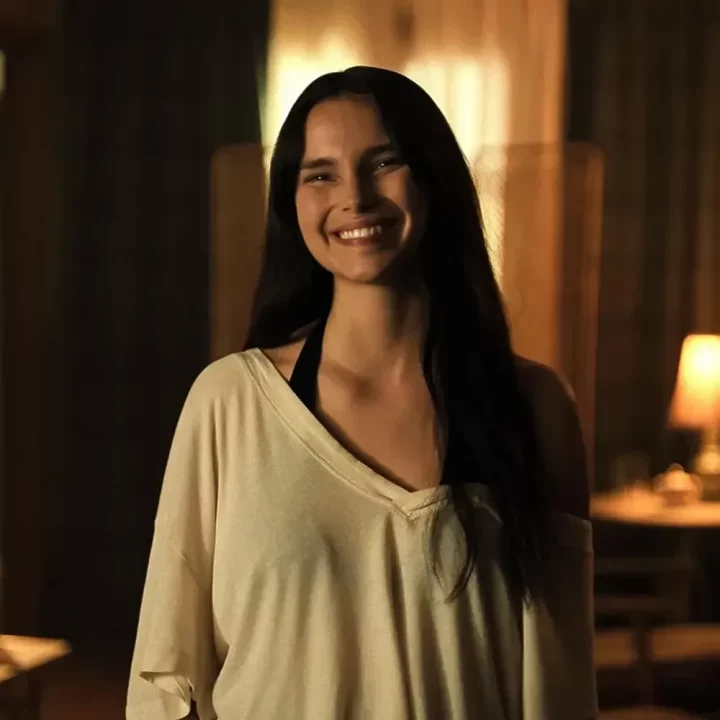
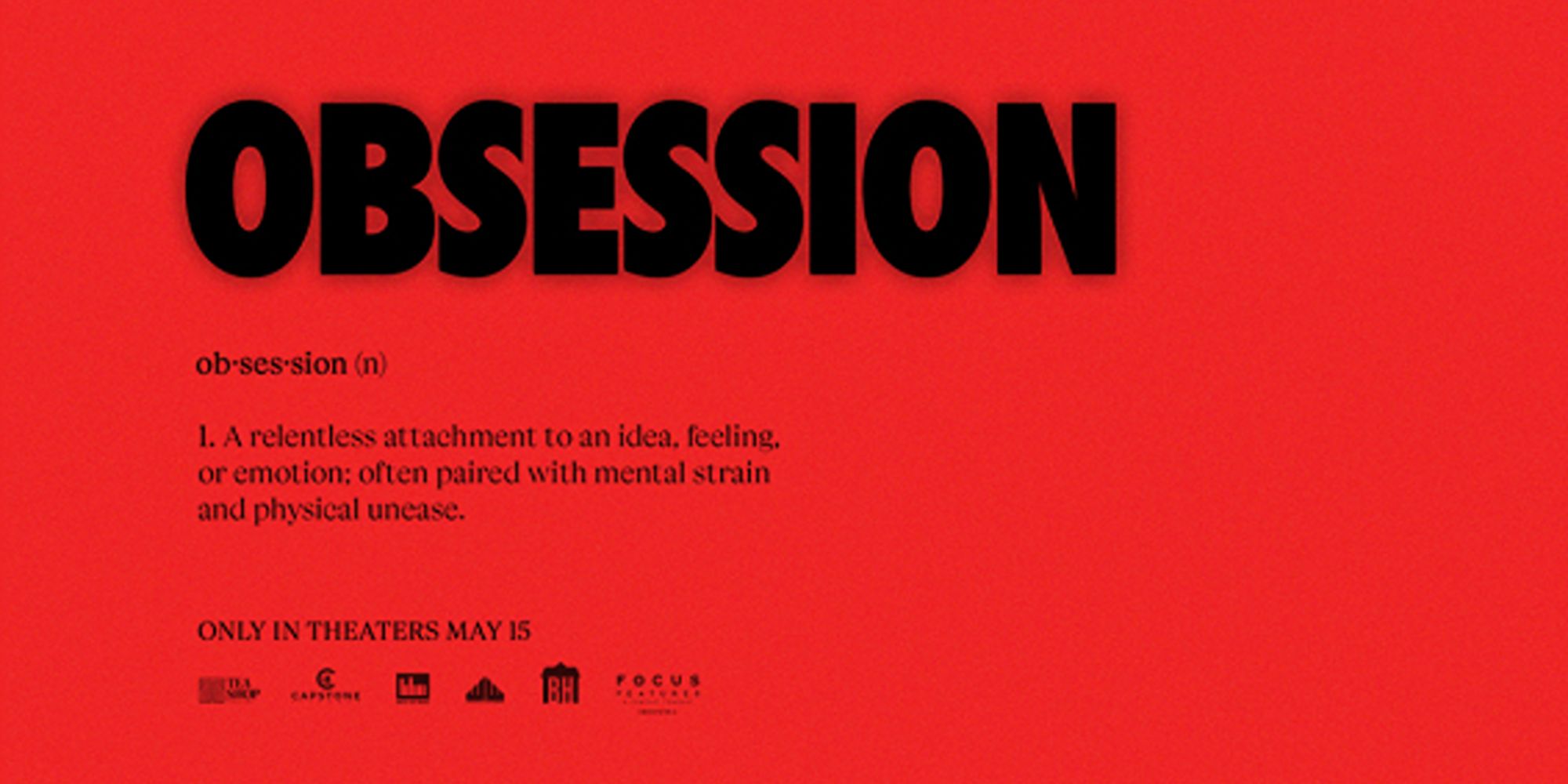
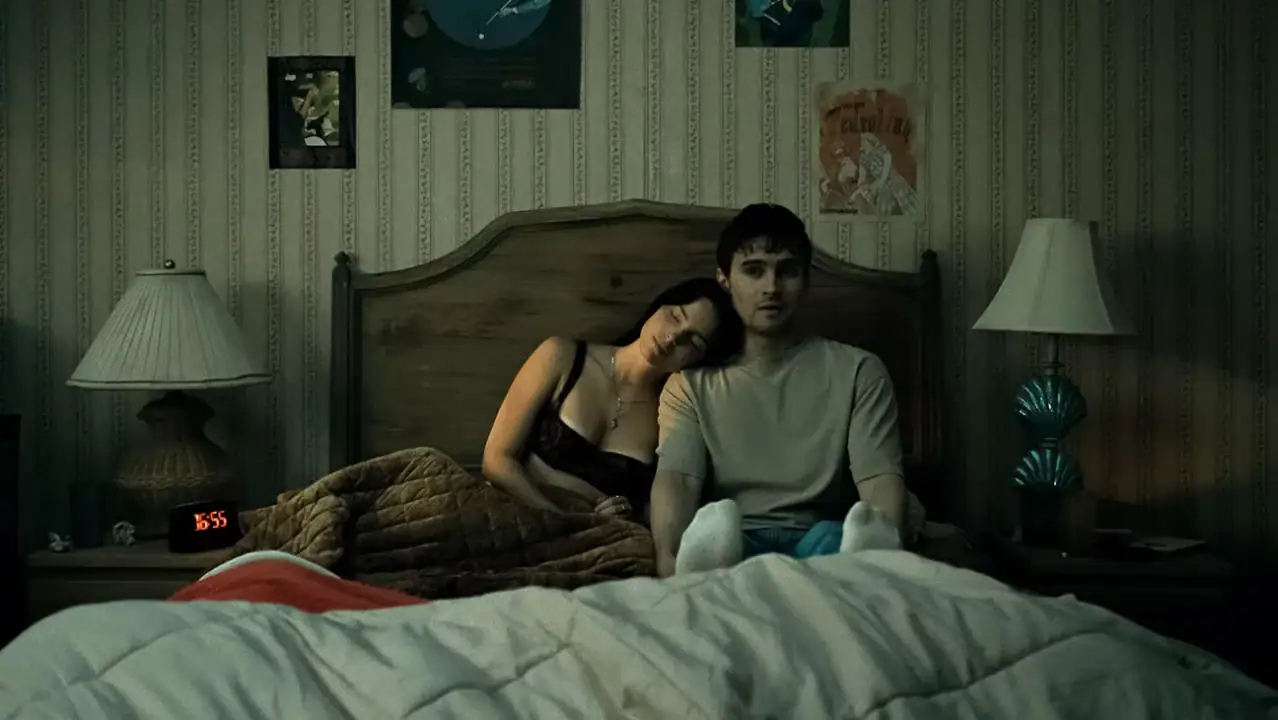
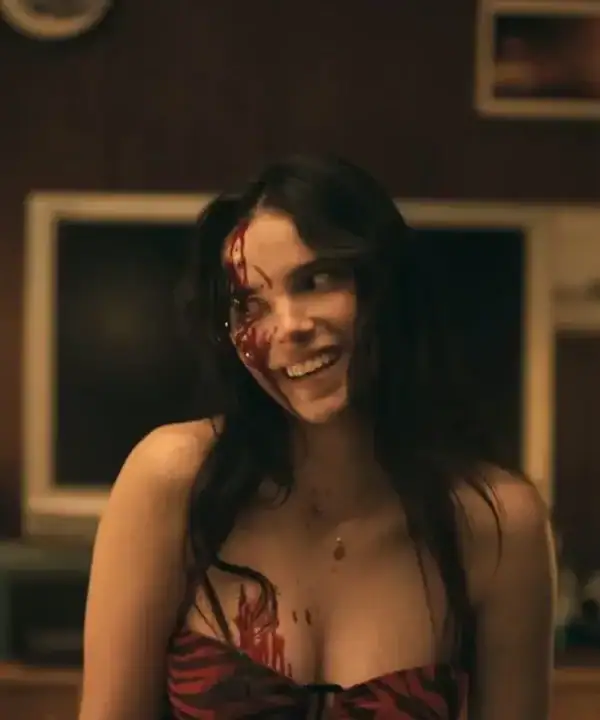
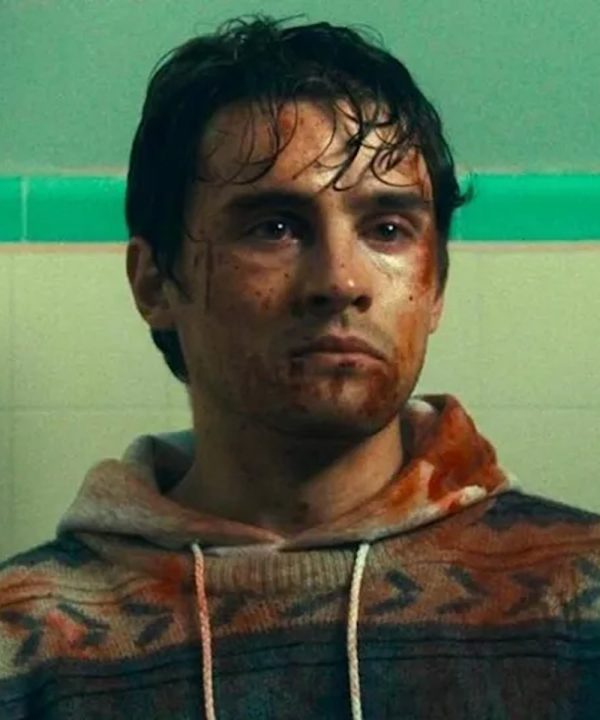
As various media outlets and video essays have already pointed out, Obsession is the most recent addition in what is becoming a lineage of ‘r/Nice Guy’, adjacent horror. These are films in which the audience is subjected to a bait and switch, typically via an unassuming young male lead character. Throughout the course of the film, their more sinister inclinations are revealed in their treatment of women – usually towards the young female lead. This is meant to serve as a reminder to viewers that we are not meant to love our protagonists blindly, but to watch them more critically. Directed by Curry Barker, Obsession stars a young man ‘Bear’ who wishes for his crush Niki to “love him more than anything in the whole fucking world.” A wish that seems harmless out of context, but is proven to be extremely selfish once it comes true and sparks a horrific series of events.
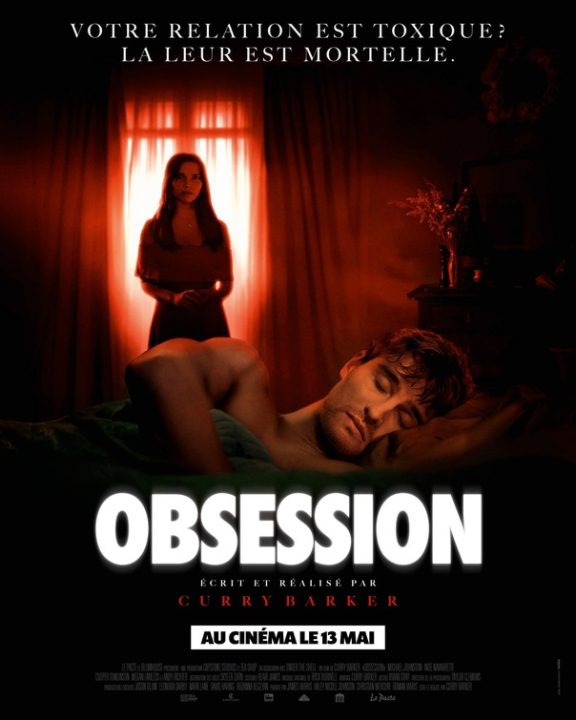
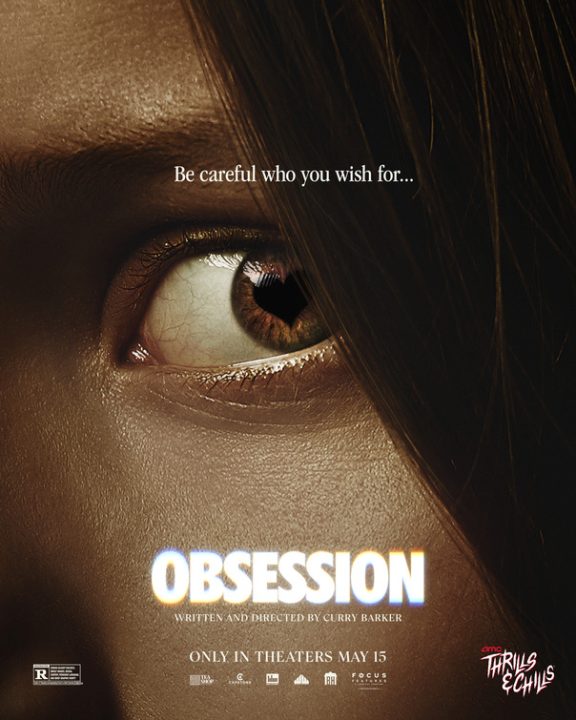
The audience watches as a force (Obsession) overtakes Niki almost entirely and continually overrides her autonomy to fulfil Bear’s wish as he does relatively nothing at all to save her. It is only until he has already drastically altered the course of each supporting character’s life for the worse, including his own, that we as a viewer seem him taking cowardly action. It goes without saying, the idea of being a spectator in your own life to this extent is genuinely frightening, especially as someone who is not a man. I think that this niche within the horror genre is already fantastic, with Obsession being another great addition to this small subsection.
Backrooms does something similar, but I actually think it reaches deeper depths in its film psychology than Obsession. Clark, our main protagonist, is an alcoholic divorcee trying to keep his furniture store afloat. Backrooms sets out to establish the spiralling cycle of thoughts that we can often find ourselves in when we justify unhealthy behaviours. It achieves this beyond the use of therapy speak and buzz words; it manages to physically show the horror of losing yourself to your worst tendencies. It is a great example of what can happen when you entertain cycles of justification, rather than facing your trauma. I love how strange of an approach it often takes to demonstrate these themes, particularly in the way the endless, decaying maze becomes less a monster in itself and more a physical manifestation of Clark’s inability to escape his own destructive patterns.
Call me a film bro, but it felt almost Lynchian towards the end. I loved all the references to the original YouTube series and to analog horror as a whole, from the unnerving VHS-style visual distortion and liminal, empty spaces, to the unsettling use of found-footage aesthetics and cryptic government imagery that define the genre. Kane Parsons also included a character wearing an “End Apartheid” shirt for a significant portion of the film, which I didn’t think was a coincidence given how many eyes he knew the film would have on it. I also enjoyed how faithful it felt to one of its biggest inspirations, Portal. The decaying industrial environments, impossible architecture, mysterious research facility, and surreal sense of scale all evoke Valve’s classic without ever feeling derivative, making it a treat for fans of both franchises.
And yet, amidst the buzz surrounding these films, there’s been something echoing in the back of my mind and, to be quite honest, it’s to a level of exhaustion. The buzz around these movies was so exciting to see it first, but I can’t help but notice how many headlines relentlessly highlight the respective ages of these directors, or how much money their work has made in the weeks since their films release as if that’s the only measure of success for a piece of art. Let alone the unfortunate truth, particularly for Obsession, that because of the way it was acquired very little of the cast and crew will see the wealth they helped accumulate.
There’s nothing personal I have against either of these men; I’ve got no idea how they live their lives and, like I said before, I enjoyed both films and look forward to seeing what else they make. However, I do think it’s worth pointing a few things out. Representation is something I think about a lot and, although we’ve made progress, there are still comparatively few Black protagonists in mainstream media. Backrooms gave me pause in that respect. I don’t think this was necessarily intentional, nor do I think Captain Clark is written as an explicitly Black character, but rather a character who happens to be Black because of the casting. Even so, I found myself wondering whether his transition from protagonist to aggressor is especially helpful in the current climate, particularly when the imagery in the film’s third act centres on him terrorising the white female lead.
None of this is to be more offended than the people this issue pertains to, nor to speak over them on matters like this, especially as there hasn’t really been much criticism of it. Seemingly small creative decisions can still contribute to harmful narratives and stereotypes, regardless of intent. As someone who believes it really is always ‘that deep’, I think it’s up to us as audiences to dissect the media we consume alongside our own biases for the sake of the bigger picture. There’s also something to be said about making your Black male lead suddenly become the aggressor of the story. At the same time, there should absolutely be room in media for imperfect depictions of everyone. Of course, Chiwetel Ejiofor took the role enthusiastically and seems proud of both his work and the film’s success. It’s simply something worth acknowledging.
Similarly, after excitedly taking my friends to the cinema to see Obsession, one of them pointed out how much more terrifying the film could have been from Niki’s perspective. She also felt that some of the nudity towards the end was unnecessary, and together those choices left a bad taste in her mouth. It was hard to disagree.
Again, I do not think the men who made these films are bad people, nor do I think these choices were necessarily intentional. Films do not have to be morally perfect to be worth watching or enjoying, and I do think the good here outweighs the bad. That said, these are still products of films made by young white men who may not have been thinking all that critically about these issues. More than anything, it feels like a call for studios and producers to back more young women and marginalised filmmakers so they can tell their own stories, particularly within horror, where they are so often the ones experiencing the real-life fears these films draw from. Better yet, do what happened with Obsession: pick up the films they’re already making and give a more diverse range of directors the chance to realise their creative visions without the constraints of the studio system. If these films have proved anything, it’s that audiences are ready for them.
The horror genre is having a moment, and it’s hard not to get swept up in the excitement surrounding it. Undoubtedly, there is an infectious excitement in the air that I, myself, have felt exhilarated by. In my final year of university back in 2024, I wrote my thesis explicitly defending horror’s place in academia, feeling that it had long since paid its dues. Now, less than two years later, the sudden burst of main stream recognition that horror has been receiving is all at once vindicating and overwhelming. Audiences were swept away by fresh films like Zach Creggers’ Weapons, which resulted in Amy Madigan’s performance as Aunt Gladys earning her an Academy Award that year for Best Supporting Actress.
That very same season, Ryan Coogler’s masterpiece Sinners took home 4 Academy Awards and Guillermo Del Toro’s Frankenstein won 3. In 2026, we are seeing this trend pushed even further as the work of two relatively low budget indie horror directors got picked up by major studios and are now taking the box office by storm, but – at least for me – it’s been hard to feel entirely thrilled in the aftermath. I’ll tell you why, but first I want to start out with an overwhelming positive; I really enjoyed both Obsession and Backrooms. I think both of them are extremely current and have far more substance than initially needs the eye.
As various media outlets and video essays have already pointed out, Obsession is the most recent addition in what is becoming a lineage of ‘r/Nice Guy’, adjacent horror. These are films in which the audience is subjected to a bait and switch, typically via an unassuming young male lead character. Throughout the course of the film, their more sinister inclinations are revealed in their treatment of women – usually towards the young female lead. This is meant to serve as a reminder to viewers that we are not meant to love our protagonists blindly, but to watch them more critically. Directed by Curry Barker, Obsession stars a young man ‘Bear’ who wishes for his crush Niki to “love him more than anything in the whole fucking world.” A wish that seems harmless out of context, but is proven to be extremely selfish once it comes true and sparks a horrific series of events.
The audience watches as a force (Obsession) overtakes Niki almost entirely and continually overrides her autonomy to fulfil Bear’s wish as he does relatively nothing at all to save her. It is only until he has already drastically altered the course of each supporting character’s life for the worse, including his own, that we as a viewer seem him taking cowardly action. It goes without saying, the idea of being a spectator in your own life to this extent is genuinely frightening, especially as someone who is not a man. I think that this niche within the horror genre is already fantastic, with Obsession being another great addition to this small subsection.
Backrooms does something similar, but I actually think it reaches deeper depths in its film psychology than Obsession. Clark, our main protagonist, is an alcoholic divorcee trying to keep his furniture store afloat. Backrooms sets out to establish the spiralling cycle of thoughts that we can often find ourselves in when we justify unhealthy behaviours. It achieves this beyond the use of therapy speak and buzz words; it manages to physically show the horror of losing yourself to your worst tendencies. It is a great example of what can happen when you entertain cycles of justification, rather than facing your trauma. I love how strange of an approach it often takes to demonstrate these themes, particularly in the way the endless, decaying maze becomes less a monster in itself and more a physical manifestation of Clark’s inability to escape his own destructive patterns.
Call me a film bro, but it felt almost Lynchian towards the end. I loved all the references to the original YouTube series and to analog horror as a whole, from the unnerving VHS-style visual distortion and liminal, empty spaces, to the unsettling use of found-footage aesthetics and cryptic government imagery that define the genre. Kane Parsons also included a character wearing an “End Apartheid” shirt for a significant portion of the film, which I didn’t think was a coincidence given how many eyes he knew the film would have on it. I also enjoyed how faithful it felt to one of its biggest inspirations, Portal. The decaying industrial environments, impossible architecture, mysterious research facility, and surreal sense of scale all evoke Valve’s classic without ever feeling derivative, making it a treat for fans of both franchises.
And yet, amidst the buzz surrounding these films, there’s been something echoing in the back of my mind and, to be quite honest, it’s to a level of exhaustion. The buzz around these movies was so exciting to see it first, but I can’t help but notice how many headlines relentlessly highlight the respective ages of these directors, or how much money their work has made in the weeks since their films release as if that’s the only measure of success for a piece of art. Let alone the unfortunate truth, particularly for Obsession, that because of the way it was acquired very little of the cast and crew will see the wealth they helped accumulate.
There’s nothing personal I have against either of these men; I’ve got no idea how they live their lives and, like I said before, I enjoyed both films and look forward to seeing what else they make. However, I do think it’s worth pointing a few things out. Representation is something I think about a lot and, although we’ve made progress, there are still comparatively few Black protagonists in mainstream media. Backrooms gave me pause in that respect. I don’t think this was necessarily intentional, nor do I think Captain Clark is written as an explicitly Black character, but rather a character who happens to be Black because of the casting. Even so, I found myself wondering whether his transition from protagonist to aggressor is especially helpful in the current climate, particularly when the imagery in the film’s third act centres on him terrorising the white female lead.
None of this is to be more offended than the people this issue pertains to, nor to speak over them on matters like this, especially as there hasn’t really been much criticism of it. Seemingly small creative decisions can still contribute to harmful narratives and stereotypes, regardless of intent. As someone who believes it really is always ‘that deep’, I think it’s up to us as audiences to dissect the media we consume alongside our own biases for the sake of the bigger picture. There’s also something to be said about making your Black male lead suddenly become the aggressor of the story. At the same time, there should absolutely be room in media for imperfect depictions of everyone. Of course, Chiwetel Ejiofor took the role enthusiastically and seems proud of both his work and the film’s success. It’s simply something worth acknowledging.
Similarly, after excitedly taking my friends to the cinema to see Obsession, one of them pointed out how much more terrifying the film could have been from Niki’s perspective. She also felt that some of the nudity towards the end was unnecessary, and together those choices left a bad taste in her mouth. It was hard to disagree.
Again, I do not think the men who made these films are bad people, nor do I think these choices were necessarily intentional. Films do not have to be morally perfect to be worth watching or enjoying, and I do think the good here outweighs the bad. That said, these are still products of films made by young white men who may not have been thinking all that critically about these issues. More than anything, it feels like a call for studios and producers to back more young women and marginalised filmmakers so they can tell their own stories, particularly within horror, where they are so often the ones experiencing the real-life fears these films draw from. Better yet, do what happened with Obsession: pick up the films they’re already making and give a more diverse range of directors the chance to realise their creative visions without the constraints of the studio system. If these films have proved anything, it’s that audiences are ready for them.

Enjoyed this story? Support independent gaming and online news by purchasing the latest issue of G.URL. Unlock exclusive content, interviews, and features that celebrate feminine creatives. Get your copy of the physical or digital magazine today!